
Everyday fragrance: how to choose and discreetly wear an eau de toilette
Monday 26th October 2026
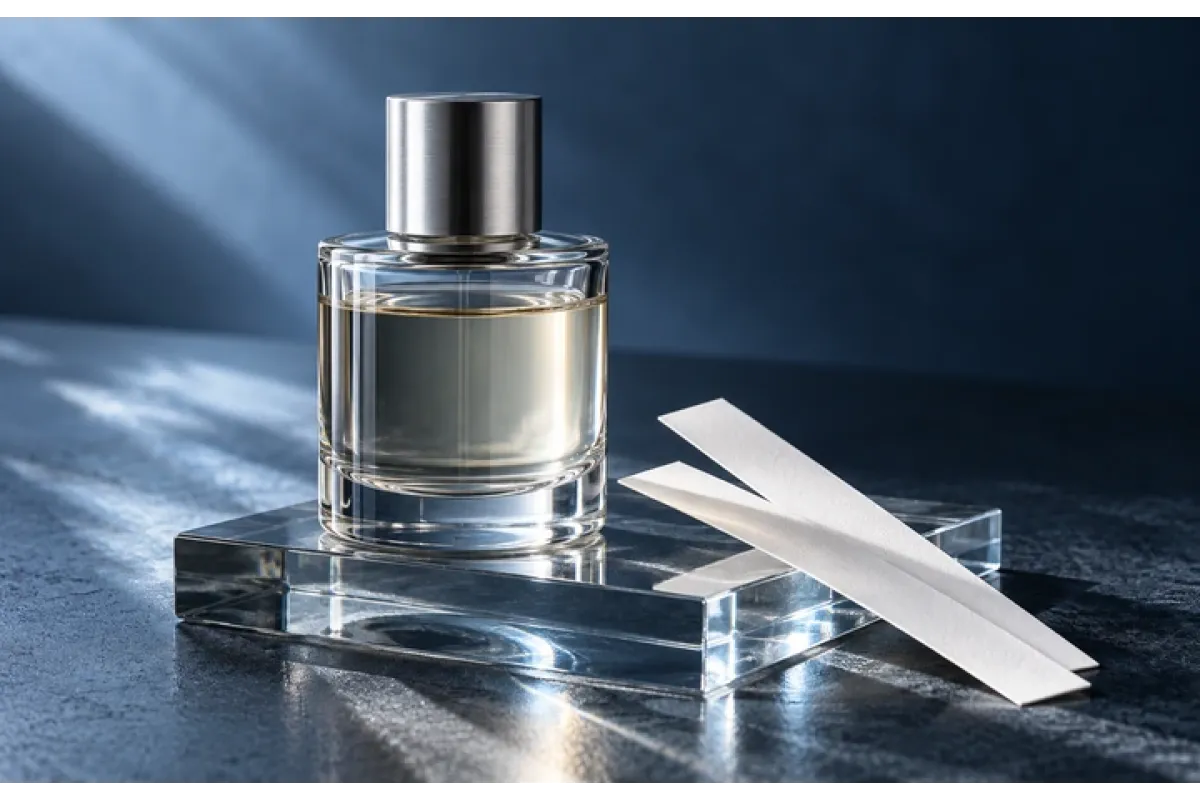
A good everyday fragrance is one you enjoy wearing during an ordinary day: on the way to work, at your desk or over a relaxed dinner. It does not have to fill a room or remain equally noticeable from morning to night. Often, choosing well means finding a scent that feels comfortable at close range and a way of applying it that fits your surroundings.
This guide explains how to narrow the choice, read fragrance descriptions and test an eau de toilette without rushing. It also looks at two examples from the Wellness Expert catalogue and the practical details worth checking before buying a full bottle.
1. Start with the occasion, then the notes
Before comparing ingredients or bottle designs, describe where you will actually wear the fragrance. “For daily use” can mean very different things. A few simple questions help turn a long list of products into a manageable shortlist:
- For work or study: would you prefer a scent you notice mainly close to the skin? Consider shared desks, meetings and any fragrance policy.
- For an active day: do you enjoy a crisp impression, or does a softer scent feel easier to wear? Choose what you like rather than what a season is supposed to require.
- For quiet evenings: are you looking for a warmer or more enveloping impression? This is a preference, not a requirement for stronger concentration.
- For a gift: do you know a fragrance the recipient already wears? A specific reference is more useful than a guess based on age or packaging.
Write down two or three qualities you want, such as “fresh, gently woody, discreet”. Keep one quality you would rather avoid as well. This small brief is often more helpful than searching for a universally “best” perfume.
2. Read EDT, EDP and scent descriptions sensibly
Eau de Toilette (EDT) and Eau de Parfum (EDP) are useful product descriptors. In common usage, EDP often indicates a more concentrated format, but compare the actual products. IFRA notes that these terms have no universally fixed international definition. A label alone therefore cannot tell you exactly how a particular fragrance will feel, project or last on you.
Treat the note list as a sketch of the composition, not a promise that every named ingredient will be separately recognisable. For a first shortlist, the overall direction is usually easier to work with:
| Direction in the description | What to explore when testing | Question to ask yourself |
|---|---|---|
| Citrus and fresh | The balance between brightness and softness as the scent settles. | Do I still like it after the first sparkling impression? |
| Green and aromatic | Herbal, leafy or crisp accents within the whole composition. | Does this feel pleasantly clean to me or too sharp? |
| Woody | Whether the overall effect feels dry, smooth, warm or airy. | Is the depth comfortable for the setting I have in mind? |
| Fruity and spicy | The relationship between fruit, freshness and spice. | Is it balanced for my taste, rather than sweeter or stronger than I want? |
These are shopping prompts, not rigid categories. A fragrance may combine several directions, and “fresh” does not necessarily mean faint. Likewise, a woody description does not automatically make a scent suitable only for winter.
3. Test in stages instead of deciding on the first spray
If a tester or sample is available, give each candidate some time. Keep the process simple enough that you can remember what you actually liked:
- Reduce competing scents. Avoid testing over another perfume or a strongly scented body product. Start with a small shortlist rather than trying the whole counter.
- Use a labelled scent strip. Write the name on a paper blotter and compare away from the spray itself. This makes it easier to return to the right fragrance later.
- Try a finalist on skin. Follow the product directions and use a small amount on an appropriate area, such as the forearm. Do not layer several candidates on the same spot.
- Revisit it later. Notice the scent after the initial burst and again during normal activity. Record whether you enjoy it nearby, under clothing and in the situation you chose it for.
You do not need to identify every note correctly. “I like the opening but not what remains” is useful information. If possible, leave the shop before making the final decision; a calm comparison is easier than trying to remember many scents at once.
4. Apply for the space you will be in
Start with a small amount and adjust on another occasion. Spray output differs between bottles, so there is no universal number of sprays that makes every eau de toilette discreet. A crowded train and an outdoor walk also call for different judgement. Consider the people sharing the space.
Apply to the areas allowed by the product instructions and let the fragrance settle without vigorous rubbing. Avoid the eyes and irritated or freshly shaved skin. Do not automatically spray clothing: delicate fabrics may mark, and some products are intended for skin application. Check the directions before choosing another surface.
Refresh deliberately rather than repeatedly spraying because you no longer notice the fragrance yourself. Pause and assess before adding more. Respect fragrance-free settings, and follow any handling or flammability warnings on the packaging. Fragrance is an optional finishing touch, so using less can be a comfortable choice.
5. Two examples from Wellness Expert
Collistar Uomo Acqua Wood Eau de Toilette 100ml combines a citrus direction with aromatic and woody accents. It is a candidate to explore if that combination appears in your personal shortlist.
Collistar Uomo Acqua Vetiver Eau de Toilette 100ml is described through fruity notes with fresh, spicy touches. Consider that overall description when comparing, rather than deciding from the product name alone.
Both examples are eau de toilette products in the shop’s catalogue. Their descriptions do not establish identical strength or a guaranteed number of hours of wear. Choose by testing where possible and by the kind of daily use you actually want.
6. Buy a size that fits your habits
A large bottle can be practical for a fragrance you already know and wear often. For an unfamiliar scent, the cost per millilitre is only one part of the decision. Check the exact product name, format, size and whether the listing is for the fragrance itself or a matching shower product.
Keep the bottle closed and follow its storage instructions, avoiding direct sunlight and unnecessary heat. A stable shelf away from a radiator is more sensible than a sunny windowsill. For travel, use a suitable container and clearly identify its contents; check the rules for your particular journey separately.
7. Common questions
Is Eau de Parfum always better than Eau de Toilette?
No. A higher price or a different label does not make a fragrance a better match for your taste. Compare the specific versions if you can: choosing the scent you prefer matters more than buying the designation you think is more prestigious.
Can I wear it with scented body cream?
You can if you enjoy the combination. When trying a new perfume, first assess it without competing fragrance. Later, add your usual body product and see whether the combination still appeals. You do not need to buy a complete matching range to enjoy one bottle.
Is fragrance a safe surprise gift?
It is easier to choose when you know the exact fragrance and version the recipient likes. For a new discovery, a sample or a choice made together can reduce uncertainty. A beautiful bottle cannot replace information about someone’s scent preferences.
8. Make the final choice practical
Choose an occasion, shortlist a few directions, test when possible and start with a modest application. For more on keeping products after opening, read our cosmetic storage guide. If you are buying for someone else, our guide to choosing a beauty gift set offers useful questions about their existing routine.
Sources: IFRA: fragrance terminology; Collistar: Acqua Wood; Collistar: Acqua Vetiver.
Mila Serani, Skincare & Beauty Editor at Wellness Expert