
Dry hands and cuticles in autumn: choosing a day cream, night care and nail-area treatment
Wednesday 30th September 2026
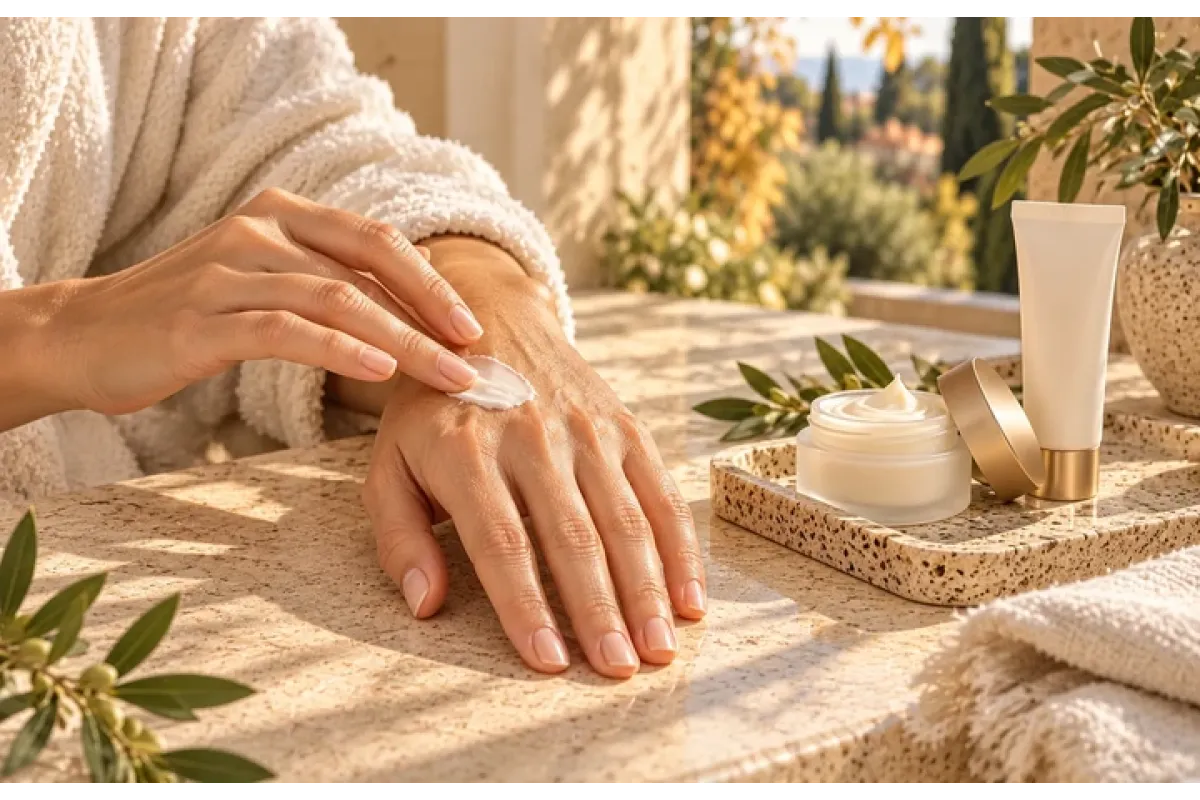
By the end of the day your hands can feel dry even if you used cream in the morning. You wash them, handle household cleaners, go out into cooler air and come back to a heated room. The skin on the backs of the hands and around the nails responds differently to this routine. One person needs a cream that is easy to reapply after washing; another prefers something richer before bed. Start by asking where and when you feel discomfort, then choose the product.
By Mila Serani, Skincare & Beauty Editor at Wellness Expert
Why hands can feel drier in autumn
Washing and dry air add up
Repeated contact with water, detergents, cooler outdoor air and dry indoor heat can leave hands feeling less comfortable. Handwashing is still essential when needed; skincare helps support comfort afterwards. The American Academy of Dermatology advises applying hand cream to slightly damp skin after washing, working it into fingertips and nails too. Keeping a small tube beside the sink or in your bag can turn this into a manageable habit. See the AAD advice on dryness from handwashing.
Notice your own pattern. If tightness begins straight after washing, regular application matters more than a promise of “instant repair” on a label. If your hands become uncomfortable later in the day, consider how often you reached for your cream and whether its finish fitted your routine. A product that feels inconvenient at work is unlikely to be used consistently, however appealing its ingredient list looks.
When a cosmetic cream is not enough
Marked pain, cracks, intense itching, weeping or persistent redness despite gentle care deserve a conversation with a dermatologist. Ongoing painful dryness may involve more than seasonal weather: the AAD explains how dry hands and hand eczema can differ. A cosmetic cream can improve the feel of dryness, but it does not diagnose or treat a medical condition.
Start with your main need
| What you notice | Where to begin | What to check before buying |
|---|---|---|
| Tightness after every wash | A hand cream you can use throughout the day | Comfortable texture and easy reapplication |
| Dry hands, but you dislike a greasy film | A fast-absorbing daytime cream | How it feels after a few minutes, especially at work |
| Hands feel much rougher by evening | A richer cream or overnight hand mask | Directions and whether an evening routine suits you |
| Dryness is concentrated around the nails | Try regular hand cream first; add cuticle care if needed | How easily you can apply it just where you need it |
More than one row may sound familiar. You do not need to buy every format at once. Start with one cream you can use regularly, then decide whether a separate evening or targeted step adds anything useful. This makes it easier to judge comfort without confusing the effect of several new products.
Day cream: choose one you will actually use
Texture matters more than an impressive ingredient list
For daytime, many people want to pick up a phone, keyboard or bag soon after applying cream. A denser formula may feel better on very dry hands, but a lighter cream used after each wash may prove more practical than a rich one left at home. In its guidance for dry skin, the AAD generally favours creams and ointments over thin lotions and mentions ingredients such as glycerin, dimethicone and emollients. The whole formula and your experience matter more than a single fashionable ingredient.
If fragranced skincare tends to bother your hands, consider a fragrance-free option and check the current product label. “Natural” and “for all skin types” do not predict your individual response. Apply a small amount to clean hands, distribute it between the fingers and around the nails, and notice the finish. Stop using a product that causes persistent stinging or irritation.
Evening care: when a richer layer makes sense
A hand cream and an overnight mask have similar aims
At night you may prefer a more generous cream because you no longer need to type or hold a steering wheel. An overnight hand mask offers another format if you enjoy a short bedtime ritual. The word “mask” does not automatically make it stronger than a cream, and no cosmetic product should be expected to clear painful cracks overnight. Compare the formula, application directions and how your hands feel the next morning.
Start with a modest amount on clean skin and follow the manufacturer's instructions: some products are left on until morning, while others have different directions. If your ordinary hand cream keeps you comfortable, a separate night product may add little. An emollient can also be applied to the hands, nails and cuticles after washing; the AAD includes this simple practice in its skin and nail advice.
Cuticles and nails: is a separate product useful?
Local dryness does not mean the whole hand needs more
Dry edges around the nails may persist even when the backs of your hands feel smooth. First try working your usual hand cream around the nails after washing. If you want more precise application or prefer a different texture in that small area, a cuticle cream can be a sensible extra. It cares for the surrounding skin; it cannot solve every change in the nail plate itself.
Avoid cutting the cuticles or pushing them back forcefully just to make nails look tidier. They help protect the nail root, as the AAD notes in its nail-care guide. Pain, swelling or a colour change around a nail calls for professional advice rather than another cosmetic purchase.
Should you add a hand scrub or peel?
When skin feels tight or irritated, exfoliation is not the first step. Establish gentle cleansing and regular moisturising instead. A hand scrub may make a rough surface look smoother for a while, but frequent rubbing cannot replace a cream and may make uncomfortable skin feel worse. If your hands are comfortable and you want that cosmetic smoothness, choose a product intended for hands and follow its directions. Do not use exfoliants over painful cracks or inflamed areas.
Try not to mistake a briefly polished feel for a solution to recurring dryness. If you need more cream because your hands feel tight after exfoliating, use that as a reason to reduce or leave out the extra step. A simple routine gives you clearer feedback than several treatments used on the same evening.
Five useful formats from the Wellness Expert range
These are examples of different roles in a routine, not a shopping list. Check the current product page for availability and directions before ordering.
- Herome Hand Cream Sensitive Skin 75ml is a fast-absorbing, fragrance-free daytime option if that finish feels comfortable to you.
- Ainhoa Hi-Luronic Hydrating and Nourishing Hand Cream 100ml is positioned for dry hands; its product page describes morning, evening and as-needed daytime use.
- Anna Lotan Body Care Mineral Hand Cream 100ml is an option for dry hands and rough areas, including after contact with water.
- Herome Overnight Hand Mask 40ml provides an overnight format for added moisturising care when you want something richer in the evening.
- Herome Cuticle Cream 15ml offers targeted care for dry cuticles when ordinary hand cream around the nails does not feel sufficient.
For a first purchase, think of your most frequent situation. A cream that can live by the sink may be more valuable than an occasional special treatment. An overnight mask or cuticle cream makes sense only if it answers a need you actually notice.
A manageable everyday routine
- Wash your hands when needed and rinse cleanser away thoroughly.
- Pat skin gently dry, leaving it slightly damp.
- Apply your daytime cream over the hands, fingers and nail area.
- Check comfort in the evening; use a richer cream or night product according to its instructions if useful.
- Add separate cuticle care only when the dryness is concentrated around the nails.
Give this routine a place in an ordinary day and judge the practical result rather than the claim on a package. Do your hands feel less tight? Does the texture allow regular use? If pain or irritation persists, seek medical advice. For most cosmetic concerns, one comfortable hand cream and a clear reason for any additional step make a good starting point.