
Body scrub: choosing a texture and using it without excessive rubbing
Saturday 17th October 2026
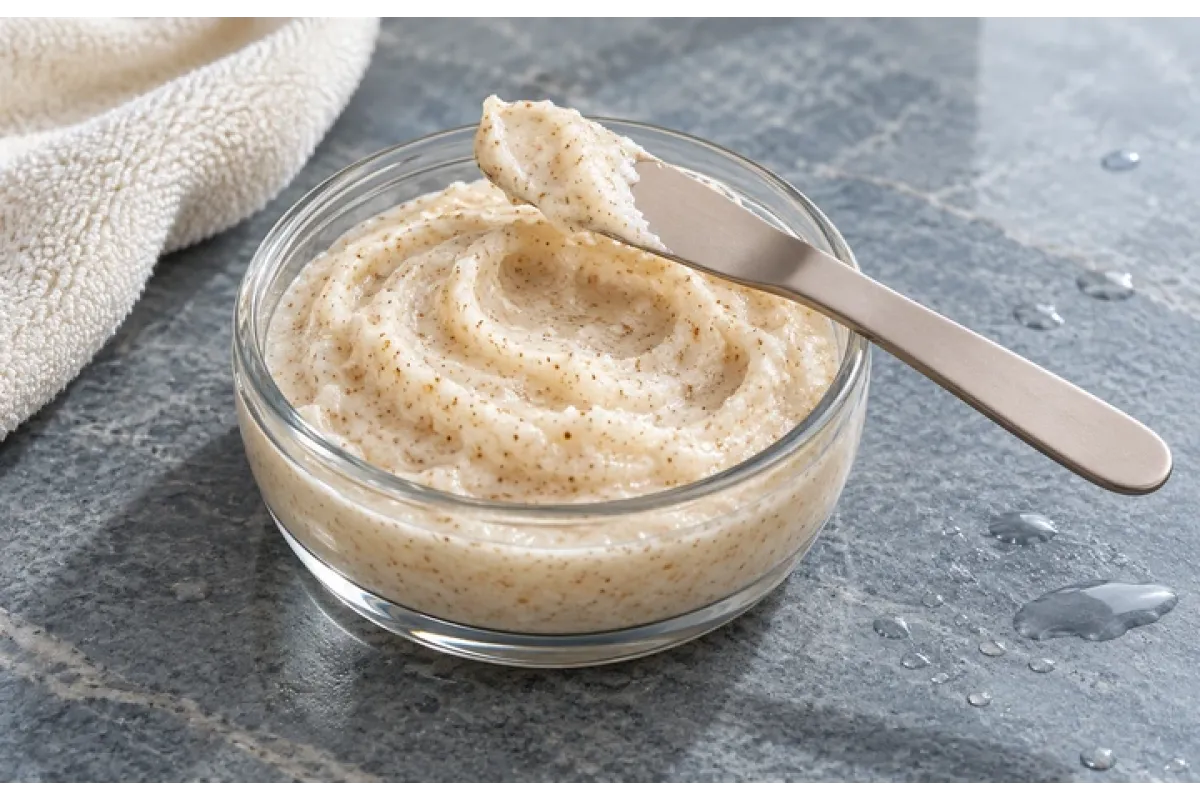
You want your body skin to feel smoother and your lotion to spread pleasantly after a shower. It can seem as simple as choosing a scrub with an impressive description and massaging thoroughly. Yet a comfortable result depends on more than the grains: the base, application method, pressure and the rest of your care all matter.
This guide explains how to compare body scrubs without searching for the strongest one. We will consider creamy textures and balms, directions for dry and damp skin, and examples from Darphin, Ella Baché and Histomer at Wellness Expert. The aim is a clear cosmetic step that is easy to repeat and leaves your skin comfortable. Exfoliation does not have to become part of every shower.
1. Do you need a scrub right now?
Your skin feels comfortable, but you want a smoother feel
Start with a specific expectation: a pleasant skin texture, a convenient shower product or a separate evening ritual. These are easier to assess than a promise of complete renewal. Decide where you intend to use it, too: lower legs, arms or the whole body. A large jar may simply be inconvenient for occasional use on one small area.
You notice dryness, tightness and visible flaking
Do not treat every flake as an invitation to scrub harder. Review cleansing and moisturising first. If an ordinary shower already feels uncomfortable, a new scrub may be an unnecessary addition. A smoother appearance need not mean removing everything you can feel beneath your fingers. The overall condition of your skin after care is a more useful consideration.
Your skin is irritated or damaged
The American Academy of Dermatology notes that exfoliation is not for everyone; skip it over wounds or sunburn. Irritation is a reason to postpone a scrub. If you are unsure whether this step suits your skin, discuss it with a dermatologist. This article concerns cosmetic care for intact body skin.
2. What texture means in practice
Salt, sugar and plant particles help you imagine a product, but do not provide a ready-made gentleness ranking. Compare the complete format and its directions. A creamy base still contains exfoliating particles, while the word “balm” alone cannot guarantee individual tolerance. The application instructions are more useful than assumptions drawn from the name.
| Format | How to compare it | What to check |
|---|---|---|
| Creamy scrub | Ease of spreading and the feel during rinsing | Application area, skin dampness and amount |
| Salt or sugar mixed with oils | Consistency of the mixture and finish after water | Whether to stir, how to dispense and rinse |
| Transforming balm | Order of application, massage and emulsification | Dry-skin application and adding water |
| Acid product without familiar grains | Its own directions rather than ordinary scrub rules | Home or professional use and restrictions |
The final row helps when reading a catalogue: “peel” and “scrub” do not make products interchangeable. A professional acid protocol should not be transferred to a home shower. Clear directions for a suitable product are more helpful than the most intensive-sounding name. Consider what you can use comfortably and consistently.
3. Three label checks before buying
- Where to use it. Look for body use. Do not extend that purpose to your face, eyelids, lips or intimate areas yourself.
- How to apply it. Dry or damp skin, stirring and rinsing are part of the individual product's directions.
- Who it is intended for. Distinguish home care from professional use. Check restrictions and the current labelling on your packaging.
Fragrance and the feel of the base also matter in everyday use. If you dislike strong fragrance, read the description before ordering. With known ingredient reactions, check the composition rather than relying on a range name. “Natural”, “salt-based” and “spa” do not replace that check or tell you exactly how the finished product will feel.
Avoid choosing intensity from a photograph of grains. Particle sizes are difficult to compare across different photographs, and the complete formula's feel involves more than their appearance. Instead, work out how you would use the product in your own bathroom and what you want your skin to feel like after rinsing.
4. Three examples from Wellness Expert
Darphin Perfecting Body Scrub, 200 ml offers a creamy format to compare. The official Darphin collection presents it as a body scrub with apricot seed. Check your packaging's directions and whether that texture suits your routine. Plant particles do not mean you need to increase pressure during application.
Ella Baché Monoï Collection Exfoliating Balm illustrates a different application method. The brand describes dry-skin application, a balm-to-oil change, then a milky texture during rinsing. The sequence matters here. Confirm the pack size before buying and follow the current label when using your own product.
Histomer Body H4 New Skin Body Scrub, 200 ml is another catalogue example. The shop listing specifies sea salt and cane sugar. Treat it as an individual formula with its own directions, rather than a copy of every salt mixture. The 200 ml version and 500 ml professional pack are separate listings; do not automatically substitute one for the other.
These products illustrate formats for comparison. You do not need to buy three scrubs or combine them in one session. Choose one suitable option and assess how ordinary use feels. Check the batch's ingredients and directions on the current packaging, even when the product name is already familiar. Familiarity is useful, but it does not replace the label.
5. A clear application sequence
- Prepare the product. Read the directions and check your skin's condition. Account for any stirring or required skin dampness before applying.
- Spread without heavy pressure. Use the stated method. Do not automatically add a brush or rough mitt to a product containing particles.
- Rinse as directed. If the balm needs emulsifying, add water in the specified way. Avoid continued rubbing to achieve a squeaky-clean sensation.
- Finish with familiar moisturising care. Choose a comfortable body cream or lotion and assess your skin after the whole routine.
The AAD recommends moisturising while skin is still damp after showering. A residual oily feel from a scrub does not require you to abandon your usual care. The comfort of the finished routine matters more than the number of steps you manage to omit.
6. Choosing frequency and combining procedures
Start with the chosen product's directions and your skin's response, without turning a suggestion on the jar into a compulsory calendar. Skipping a scrub does not make your routine incomplete. If you want to use it increasingly often to recreate the same smooth feel, review pressure, cleansing and moisturising first. Keep the comparison simple rather than changing several things at once.
Before application, remember what has already happened on that area: shaving, hair removal, another exfoliator or a new active product. Do not add a scrub over irritation. A universal waiting interval in hours does not fit every hair-removal method and every product. Follow the relevant directions and professional advice when needed.
Assess your skin after getting dressed as well as in the shower. A workable routine should feel pleasant in ordinary life. Stop using the product if burning or irritation occurs; seek medical advice if symptoms persist. Discomfort is not a measure of good exfoliation, and a dramatic immediate sensation is not the only result worth noticing.
7. Packaging and storage also affect your choice
A tube and a jar fit differently into everyday habits. Consider whether dispensing, closing the lid and keeping the product in your chosen place will be convenient. Handle the packaging according to the manufacturer's advice. Rinse oily residue from shower surfaces so that the floor remains safe. These practical details can influence how comfortably a product fits your routine.
A larger pack is useful only when it suits how often you use it. For a first purchase, compare your actual needs as well as the price per millilitre. Our guide to cosmetic shelf life and PAO explains after-opening symbols and storage. There is little benefit in choosing a size you find awkward to use regularly.
8. A short checklist before ordering
- Skin condition: does an extra step feel appropriate right now?
- Format: cream, an oil mixture or a balm with clear rinsing directions.
- Instructions: body use, skin dampness, restrictions and frequency.
- Aftercare: familiar moisturising and a convenient storage place.
Begin with one product and gentle use according to its directions. If tightness after water is your main concern, start with our guide to cleansing and moisturising body skin after showering. A useful scrub should suit your care and how your skin feels, without demanding increasingly vigorous rubbing.
Mila Serani, Skincare & Beauty Editor at Wellness Expert